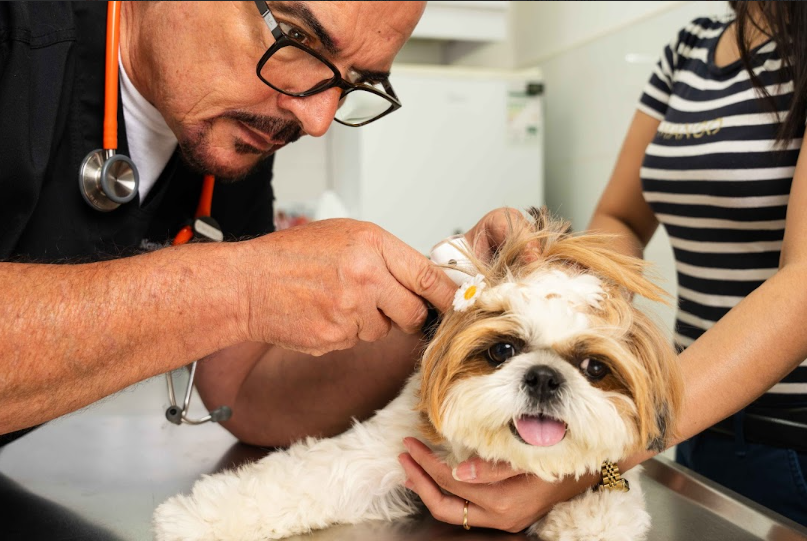
The first few minutes after your dog consumes a toxic item may be the most crucial moments in the case. Any household item, prescription medication (human), poisonous food, or common plant can become toxic based on both the quantity and the weight or size of the dog. Your goals during the initial moments include limiting further intake of the toxin by your dog and contacting a veterinarian or other appropriate professional as soon as possible.

What to Do
To begin with, try to remain as calm as possible and gather the information needed about your dog. Determine what was eaten, how much was consumed, and when it occurred. If you can obtain packaging or an example of the substance eaten, this will assist the veterinarian in determining the potential danger.
Remove any additional amounts of the substance from your dog’s reach to eliminate the possibility of further ingestion. Gently remove any residue present in your dog’s mouth without attempting to force anything into its throat.
Act promptly. Do not wait until your dog begins showing symptoms. Many toxins may require several hours to produce obvious signs of illness, and prompt treatment is generally superior to waiting for observable signs of illness.
If your dog appears to be conscious and alert, provide a small amount of water for your dog to drink to aid in rinsing its mouth and reducing discomfort. Unless otherwise directed by a veterinarian, do not provide food.
What NOT to Do
Even though well-meaning actions during toxic ingestion incidents rarely intentionally worsen an incident, they certainly could. The single most critical thing to remember about toxic ingestion incidents is to never attempt any form of home remedy without explicit instruction from a veterinary professional.
Unless you receive explicit instructions to do so, never induce vomiting. Bleach, acids, petroleum-based substances, and sharp objects create far more harm going down than coming back up. Ingestion of toxic substances such as bleach and acids can result in severe injury to your dog’s esophageal tissue and oral cavity.
Never administer salt, oil, milk, or any other “detox” mixture that you find posted online. These methods are not reliable and can sometimes place excessive stress on your dog’s digestive system.
Never administer human medication, such as pain killers or antihistamines, unless you are instructed to do so. Many human medications are processed through canine metabolism at different rates and can potentially be toxic to dogs.
Lastly, never assume that your dog is healthy simply because he appears normal initially. Many toxic agents produce delayed onset reactions, which can manifest several hours after consumption.
Common Toxic Exposures in Dogs
Poisoning occurs when your pet consumes an amount of a toxin large enough to cause serious illness. There are numerous toxins found in the environment around us that can harm our pets. A few examples include:
- Human food items like chocolate, grapes, raisins, xylitol (a sweetener used in many sugar-free gum and candy products), and onions
- Common household cleaning agents like bleach, disinfectant, and drain cleaner
- Prescription medications like ibuprofen, certain types of antidepressants, and over-the-counter cold medicines
- Fertilizers, pesticides, and other chemical garden products
- Some houseplants, which can irritate or damage internal organs
Some of these toxins are poisonous at small doses, and some of the larger breeds or older pets are less affected by their consumption than smaller breeds or younger pets.
Warning Signs to Watch For
Poisoning symptoms depend on the substance your pet consumed. Some animals may exhibit signs immediately after ingestion, while others may show no signs until hours later. Common signs of poisoning may include vomiting, drooling, diarrhea, loss of appetite, and lethargy. Severe signs may include tremors, seizures, difficulty breathing, or collapse. Changes in behavior such as anxiety, confusion, or disorientation may also occur.
When Immediate Veterinary Attention Is Needed
There are times when waiting to bring your animal to your vet is not advisable. If any of the following occur, contact a vet immediately:
- Seizures or uncontrollable shaking
- Difficulty breathing
- Collapse
- A known extremely toxic substance was ingested (rodenticide, antifreeze, etc.)
- A significant portion of medicine or chemicals was swallowed
- Symptoms are getting worse
While uncertainty exists regarding how serious the situation is with your pet, bringing them to a vet as soon as possible is better than risking delay.
Why Timing Matters
Different poisons work differently in the body. Some cause damage to the digestive tract, others to the liver, kidney, or central nervous system. Once absorbed into the bloodstream, treatment is much harder. Taking immediate action, whether symptoms exist or not, can greatly enhance the chances of a successful outcome.
Depending on the toxin consumed, veterinarians may administer activated charcoal, IV fluid therapy, or a specific antidote. The earlier treatment begins, the more effective it is.
Conclusion
Regardless of whether your pet has eaten a toxic item, the best way to react is with swift and knowledgeable action. Home remedies and attempting to guess what your pet ate are never good alternatives. Instead, identify the substance and ask for guidance from a veterinarian. What you don’t do is almost as important as what you do.