The Emirates ID card is one of the most important documents you will carry as a UAE resident. Without it you cannot open a bank account, sign a tenancy contract, access government services, or set up utilities. This guide covers everything you need to know in 2026 — from applying for the first time to replacing a lost card.
A quick note on EIDA vs ICP: The Emirates Identity Authority (EIDA) was merged into the Federal Authority for Identity, Citizenship, Customs and Ports Security (ICP) in 2021. The card is still called the Emirates ID, but it is now issued and managed by ICP via icp.gov.ae.
What Is the Emirates ID?
The Emirates ID is a mandatory smart card issued to every person legally residing in the UAE — nationals, GCC citizens, and expatriate residents alike. It is the single official identification document recognised by all government, semi-government, and private entities in the country.
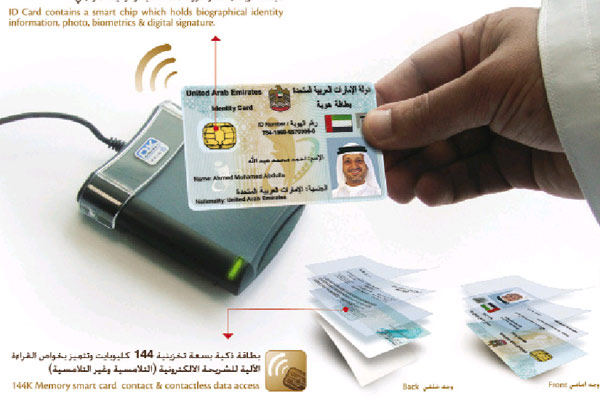
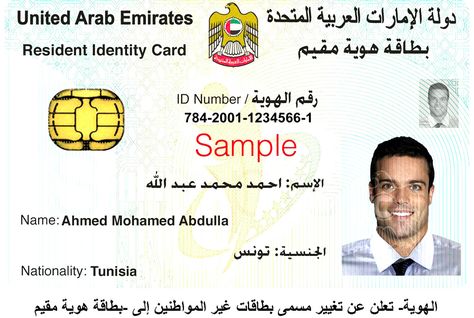
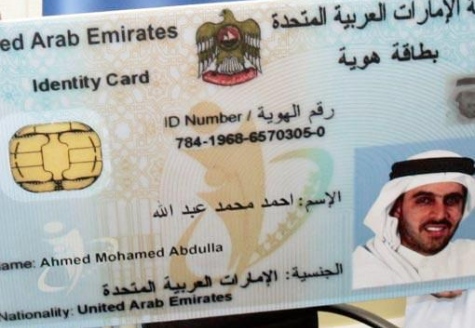
The card contains:
- Your 15-digit Emirates ID number (permanent — it never changes, even when you renew)
- A biometric chip storing your fingerprint and facial data
- Your photo, name, nationality, and date of birth
Validity:
- Most residents: 10 years
- Children under 15: 5 years
What you need it for:
- Opening and operating a bank account
- Setting up a DEWA (electricity and water) account
- Obtaining or renewing a UAE driving licence
- Enrolling children in school
- Accessing government e-services (Federal Authority portals, DHA, RTA, MOHRE)
- Receiving healthcare at public hospitals and clinics
- Collecting registered mail from UAE post offices
- Accessing Dubai Municipality services
- Using e-Gate automated immigration lanes at UAE airports
- Travelling to GCC countries (UAE nationals only — the ID substitutes for a passport within the Gulf)
If you are new to the UAE, the Emirates ID is one of the first things you need to sort after your residence visa is stamped. See our complete guide to moving to Dubai for the full new-arrival checklist.
Who Needs an Emirates ID?
Every person legally residing in the UAE must hold a valid Emirates ID, including:
- UAE nationals
- GCC nationals resident in the UAE
- Expatriate residents on any visa type (employment, investor, family, golden visa, etc.)
- Domestic workers sponsored by UAE households
Children must have their own Emirates ID from birth — a parent’s card does not cover them.
The Emirates ID is not issued to visitors on tourist or visit visas.
What Documents Do You Need to Apply?
| Applicant type | Required documents |
|---|---|
| New expat resident | Original passport + valid UAE residence visa page, passport-size photo (white background), completed application form |
| UAE national | Original passport, family book (Khulasat Al Qaid), passport-size photo |
| Renewal | Existing Emirates ID, valid passport, updated visa (if renewed) |
| Child (under 15) | Parent’s Emirates ID, child’s passport, birth certificate |
All documents are submitted digitally when applying via the ICP Smart App. Original documents are verified at the biometrics appointment.
How to Apply — Step by Step
- Apply online via the ICP Smart App (available on iOS and Android) or at icp.gov.ae. Most residents complete the entire application through the app without visiting a service centre.
- Fill in the application form and upload scans or photos of your documents.
- Pay the fee online — AED 370 for a standard 10-year adult Emirates ID.
- Book a biometrics appointment at a typing centre or ICP service centre. At the appointment your fingerprints and photo are captured.
- Attend your biometrics appointment with your original documents for verification.
- Receive your card — the Emirates ID is delivered by courier to your registered address, or you can collect it from an ICP service centre.
Processing time: 5–7 working days after your biometrics appointment. ICP Smart Centres offer same-day or next-day service in some cases for an additional express fee.
Tip: Authorised typing centres can handle the entire application process on your behalf, including form filling, document uploading, and booking your biometrics slot. They charge a service fee of AED 100–200 on top of the official ICP fees. This is the easiest route if you are not confident navigating the app in Arabic or English.

What Does It Cost?
| Service | Fee (AED) |
|---|---|
| New Emirates ID (10 years) | 370 |
| Renewal (10 years) | 370 |
| Child Emirates ID (5 years) | 170 |
| Replacement (lost or damaged) | 300 |
| Express processing | Additional 150–300 |
| Typing centre service fee (if used) | 100–200 |
Fees are paid online through the ICP app or website. Cash payments are accepted at ICP service centres and some typing centres.
How to Renew Your Emirates ID
The renewal process is identical to the initial application — you apply via the ICP Smart App, pay the fee, attend a biometrics appointment (if required), and wait for the card to arrive.
Key renewal rules:
- You can renew from 6 months before expiry — do not wait until the last minute. An expired Emirates ID causes immediate problems with banks, DEWA, RTA, and government portals.
- If your residence visa and Emirates ID are renewed together (which is the normal process for sponsored employees), both documents are processed at the same time and issued for the same duration. Your employer’s PRO department typically handles this end-to-end.
- If your residence visa was renewed but your Emirates ID was not (or vice versa), you must renew the outstanding document separately.
Lost or Damaged Emirates ID
Report a lost or damaged card immediately through the ICP Smart App or at an ICP service centre. Replacement fee: AED 300.
Bring your passport and a copy of your residence visa to the service centre. The ICP will issue a temporary acknowledgement slip on the spot — this slip carries your Emirates ID number and is accepted by most banks, government offices, and employers while you wait for the replacement card.
Do not delay reporting a lost card. The chip on the Emirates ID contains biometric data. While it cannot be easily cloned, it is best practice to report the loss immediately and request a replacement.
What Your Emirates ID Is Used For
By 2026 the Emirates ID is deeply embedded in daily life in the UAE. Here is a summary of where you will need it:
- Identity verification at all government offices, banks, hospitals, and clinics
- Banking — required to open an account, update your details, or access most in-branch services
- DEWA — required to set up electricity and water in your name
- UAE driving licence — required when applying for or renewing your licence
- School enrollment — your child’s Emirates ID is required for registration at any school
- Government e-services — Federal portals (ICP, MOHRE, GDRFA), DHA, RTA, Dubai Municipality all require Emirates ID login or entry
- e-Gate lanes at UAE airports — automated immigration for registered residents, saving significant queue time
- GCC travel — UAE nationals can use the Emirates ID in place of a passport when travelling to Saudi Arabia, Kuwait, Bahrain, Qatar, and Oman
- Post offices — required to collect registered or tracked mail from Emirates Post branches
FAQ
Can I use my Emirates ID number before the card physically arrives? Yes. The acknowledgement slip issued immediately after your biometrics appointment carries your full Emirates ID number and is accepted by most institutions — banks, DEWA, schools, and government offices — while you wait for the physical card to be delivered.
What if my employer delays renewing my Emirates ID? Under UAE labour law, employers who sponsor employees are legally responsible for maintaining valid Emirates IDs. If your employer is dragging their feet and it is causing you problems, you can raise a complaint through the Ministry of Human Resources and Emiratisation (MOHRE) via the MOHRE app or their website.
Is my Emirates ID number permanent? Yes. Your 15-digit ID number is assigned once and does not change when you renew your card. It stays with you for your entire time in the UAE.
Do I need to update my Emirates ID address when I move home? Yes — you are required to update your registered address through the ICP app within 30 days of moving. Failure to do so can cause problems with official correspondence and some government services that verify your address against ICP records.